How Nature Teaches Us to Build Homes That Heal
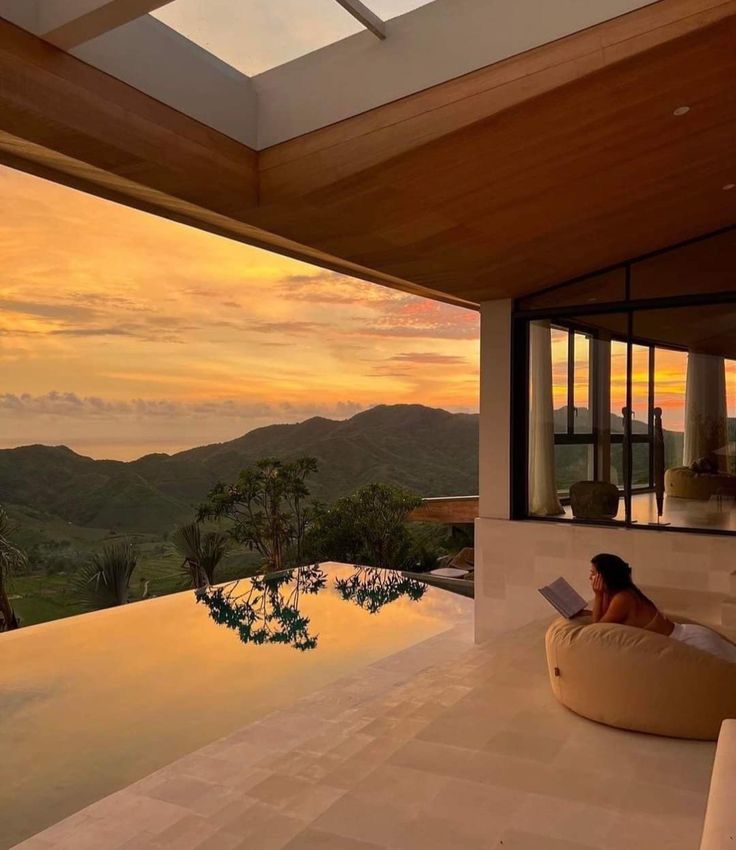
There is a quiet, ancient intelligence in nature — the way forests cool themselves without machines, how shells gain strength with almost no material, how leaves purify air effortlessly. Biomimetics is the art and science of learning from these natural systems and translating their principles into the way we design architecture, interiors, and landscapes. For FAEH, biomimetics is not a theory. It is a design philosophy: homes that behave like nature, support human biology, and bring longevity into everyday living.
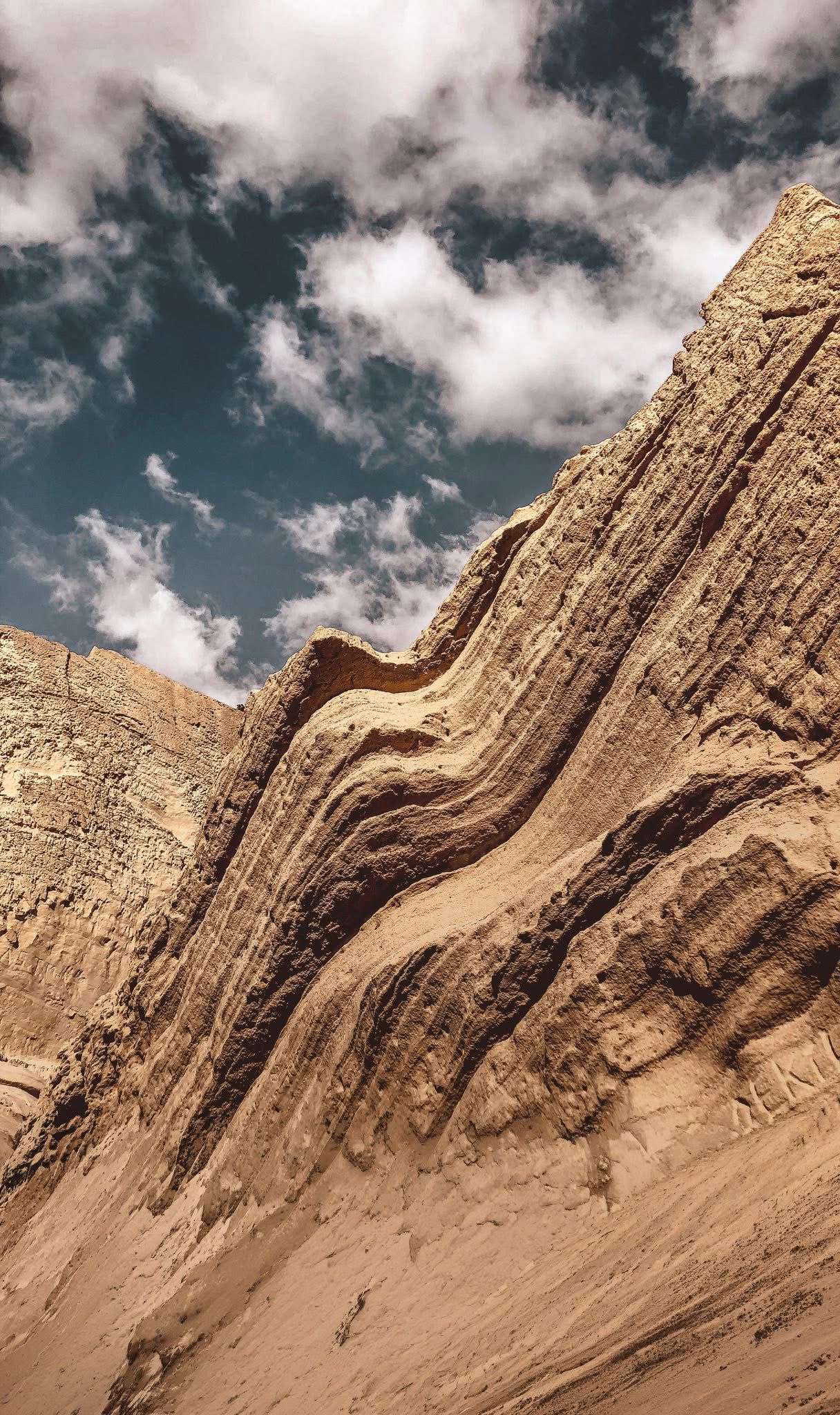
Homes should not overpower nature. They should think, breathe, and heal the way nature does.”
Biomimetic architecture learns from structures such as termite mounds, which regulate temperature naturally using airflow tunnels. This principle becomes passive cooling — reducing the need for air-conditioning and creating stable, breathable environments.
Bones and seashells teach lightweight strength and elegant curves that reduce the need for heavy materials while increasing resilience. Surfaces inspired by lotus leaves become self-cleaning; butterfly wings inspire daylight diffusion that the human nervous system finds calming and emotionally grounding.
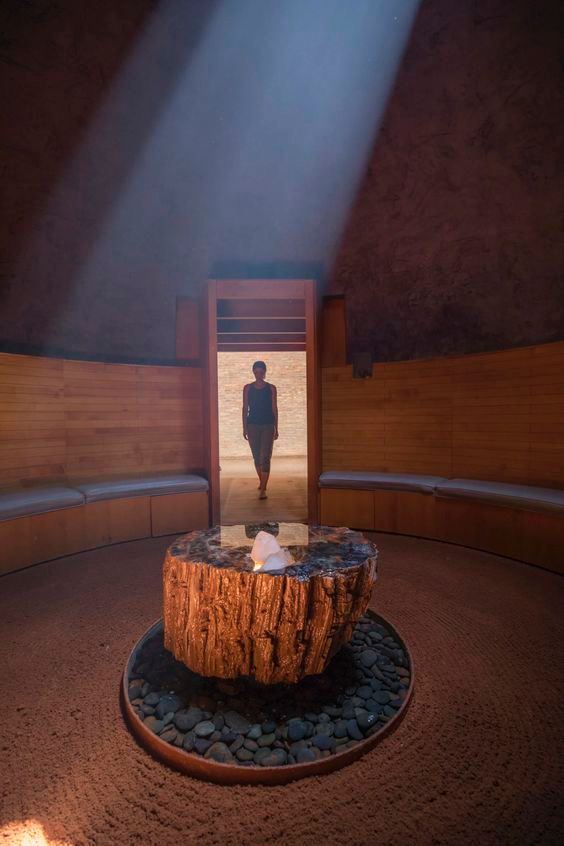
Inside the home, biomimetics becomes sensory design. Natural materials like clay, lime, and stone regulate humidity and air purity the way natural soil ecosystems do. Fractal patterns — found in trees, rivers, and mountain formations — have been scientifically shown to reduce stress by up to 60%.
Curves mimic shells and organic growth forms, softening the nervous system and inviting calm. Light follows the logic of sunrise and sunset, supporting the circadian rhythm and deeper sleep. Sound is managed with natural textures inspired by canyons and forests, shaping acoustics that feel intimate and grounding.
“In biomimetic homes, nothing is ornamental. Every element has purpose, intelligence, and life.”
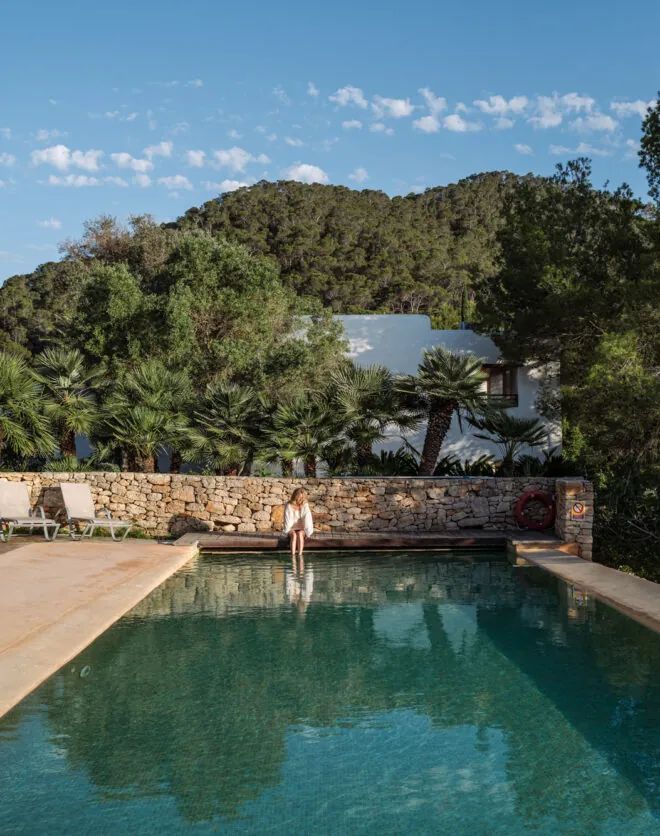
Landscapes designed through biomimetics act like ecosystems rather than decoration. Layered planting inspired by forests creates microclimates that cool the land and increase biodiversity. Water is guided the way riverbeds guide flow — reducing erosion and improving natural irrigation.
Mediterranean groves inspire shaded courtyards that soften heat. Alpine ecology informs airflow patterns that keep mountain homes fresh year-round. These are landscapes that *work*, not merely look beautiful.