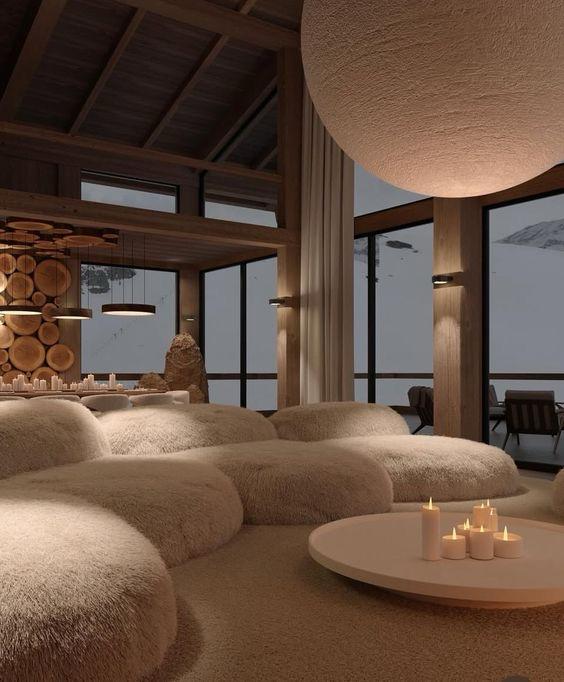
How Vastu Shastra Inspires Spatial Wellness
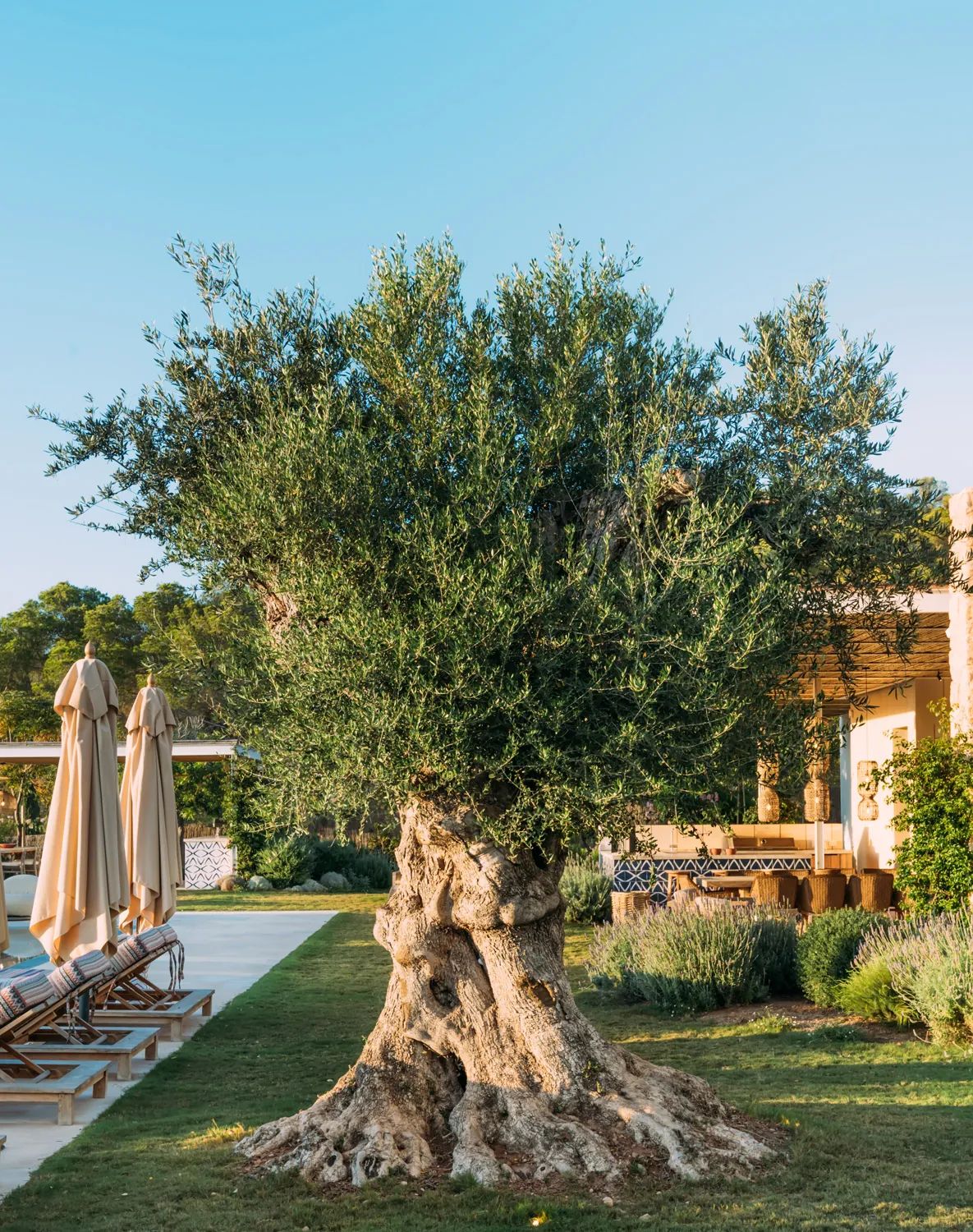
In an era driven by data and design technology, ancient sciences like Vastu Shastra remind us that true harmony begins with the invisible — the balance between energy, elements, and orientation. At FAEH, we integrate these timeless principles into our wellness architecture, uniting spiritual geometry with modern building science.

1. What is Vastu Shastra:
Vastu Shastra — Sanskrit for “science of dwelling” — is an ancient Indian system aligning homes with the five natural elements: earth, water, fire, air, and space. It teaches how orientation, light, and proportion can influence well-being, prosperity, and inner balance.
2. Alignment with FAEH Philosophy:
FAEH blends Swiss precision, Mediterranean soul, and Eastern harmony. Our spaces embody the principle that when design respects the natural order, the home supports healing and longevity.
3. Translating Principles into Design:
Vastu emphasises flow — the effortless movement of energy through form. FAEH architects adapt these ideas through spatial zoning, daylight orientation, and material balance, creating architecture that breathes and uplifts.
4. Connection to FAEH Code & Passport:
Modern technology now validates ancient insight. Sensors in FAEH Code measure air, light, water, and sound — proving that environmental harmony enhances wellness, much as Vastu has long taught. Together with the FAEH Passport, this forms a measurable foundation for “Homes That Heal.”
5. Closing Reflection: Design is not just seen — it’s felt.
Vastu Shastra reminds us that architecture is alive, and when aligned with nature, it becomes a source of peace, energy, and joy.