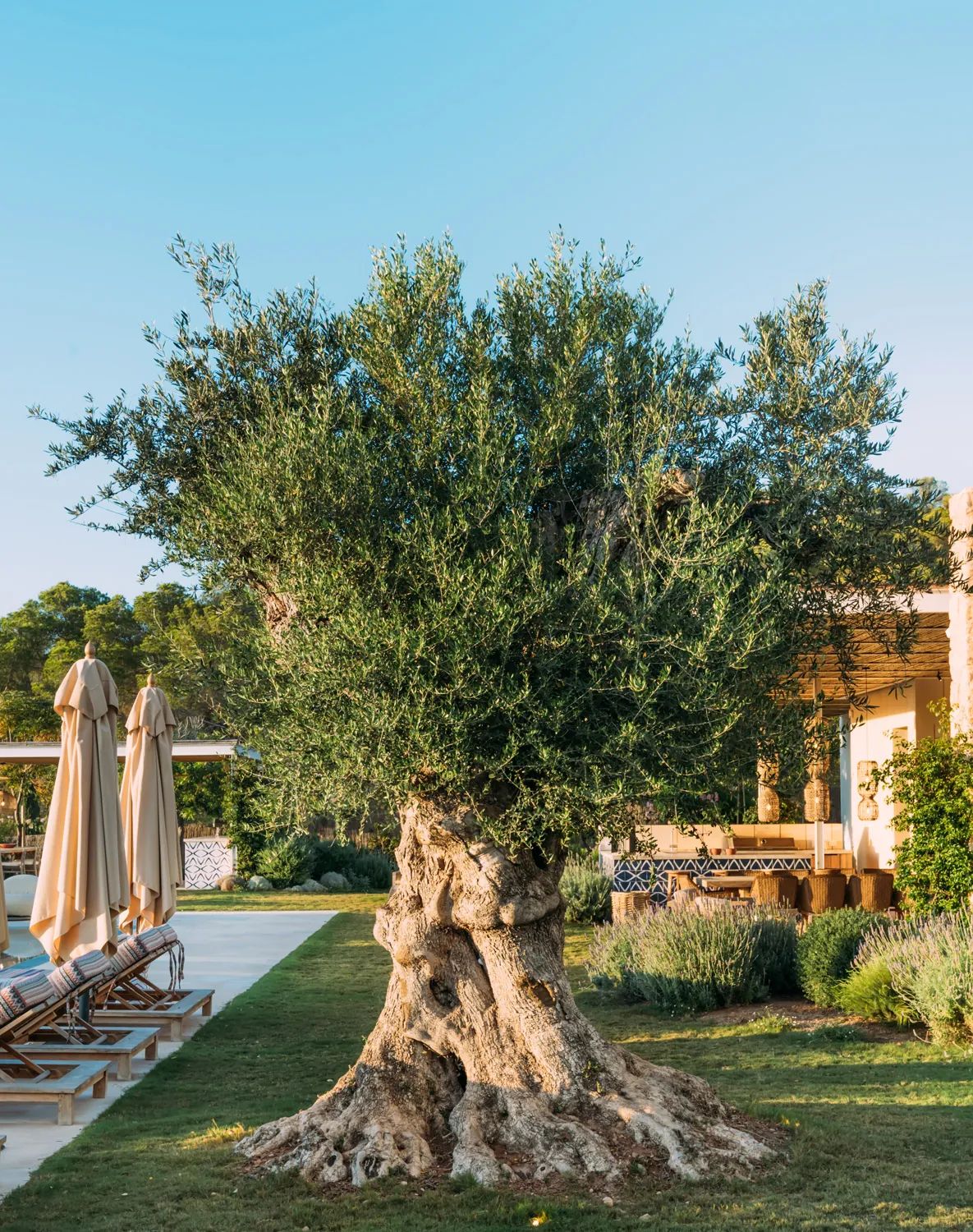
Why the healthiest places on earth are becoming the most valuable
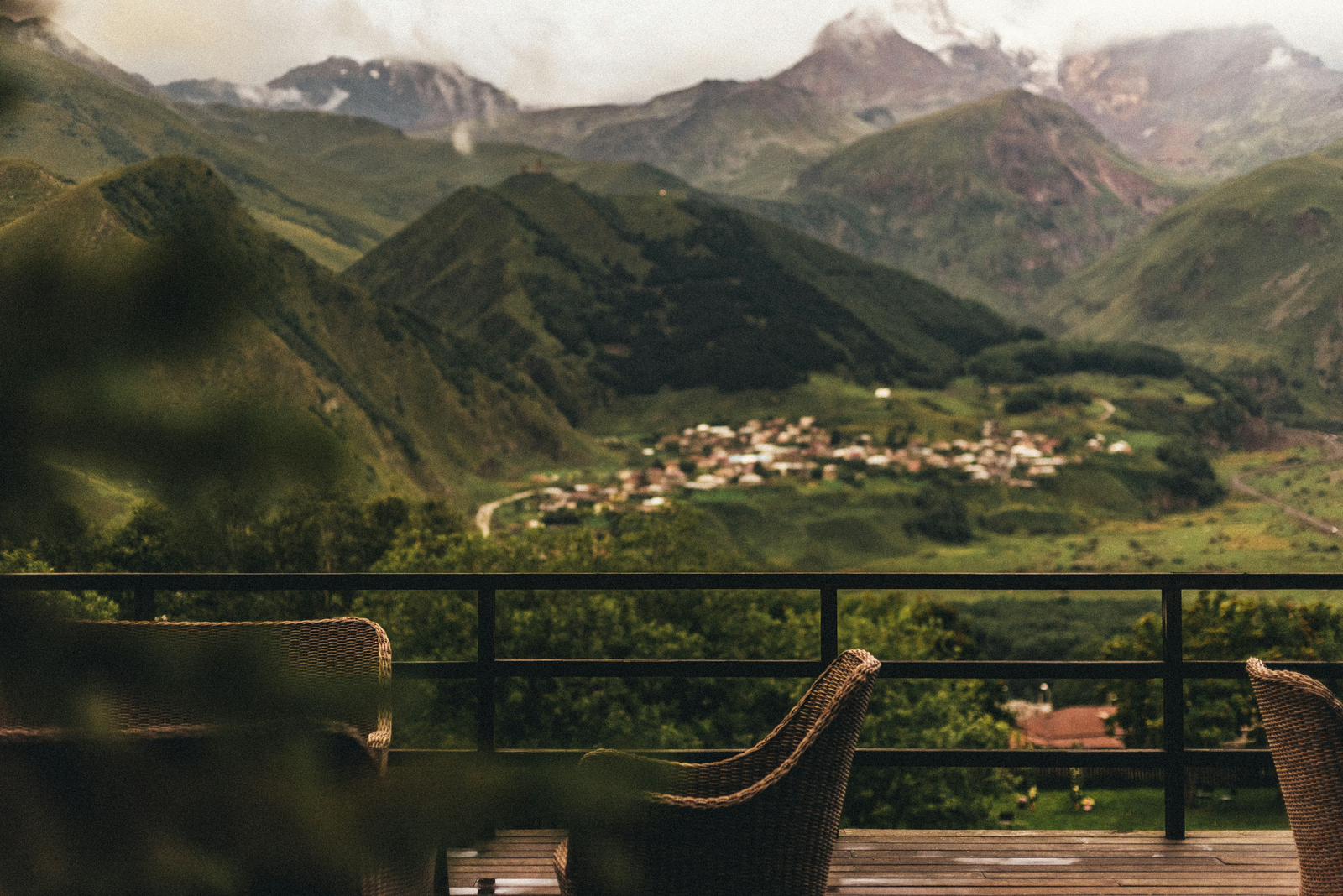
I notice the shift most clearly when I’m in places that still feel calm. Where the air is clean.
Where buildings don’t compete for attention. Where land is protected — not because it’s fashionable, but because it always has been.
In conversations with investors, owners, and families, the same question keeps returning. Not about yield first — but about life: Does this place actually make life better?
Something has shifted in real estate investment — quietly, but decisively.
The most thoughtful investors are no longer impressed by scale or spectacle. They are choosing places that support health, respect land, and hold meaning over time.
For a new generation of wealth, real estate investment is no longer just business. It has become a belief system.
“The question is no longer how much land I own — but what this land does, and how it supports life and health over time.”
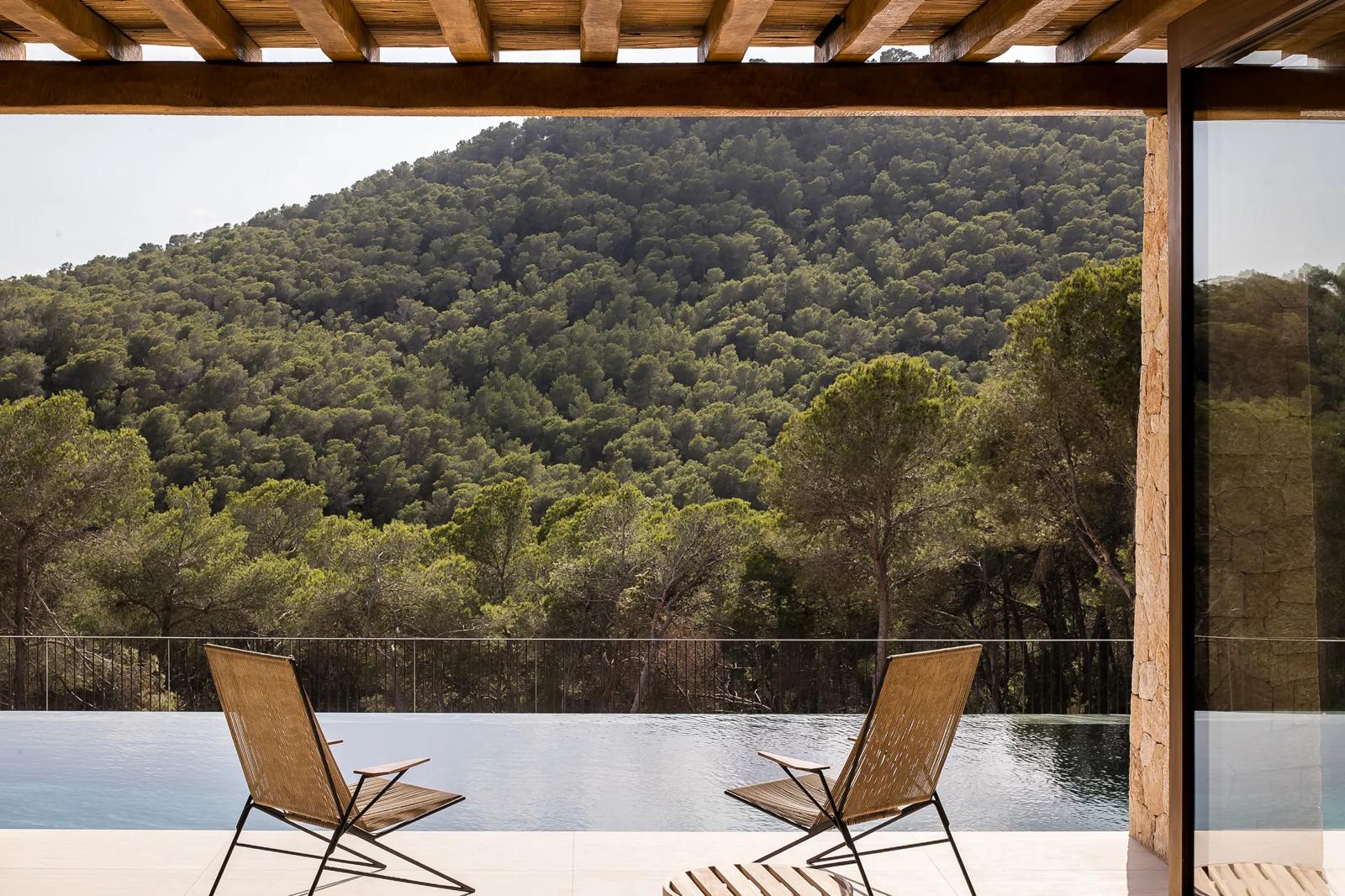
This Is Still Real Estate Investment — Just Seen Differently
This is still real estate. Returns matter. Structure matters.
Location still matters. What has changed is which locations — and why.
Beyond financial gain, investors are asking more personal and strategic questions: how a place affects health, what it takes from the land, and whether it will still feel right decades from now.
This shift is redefining long-term real estate investment, where health, environmental quality, and land protection are now central to asset value.
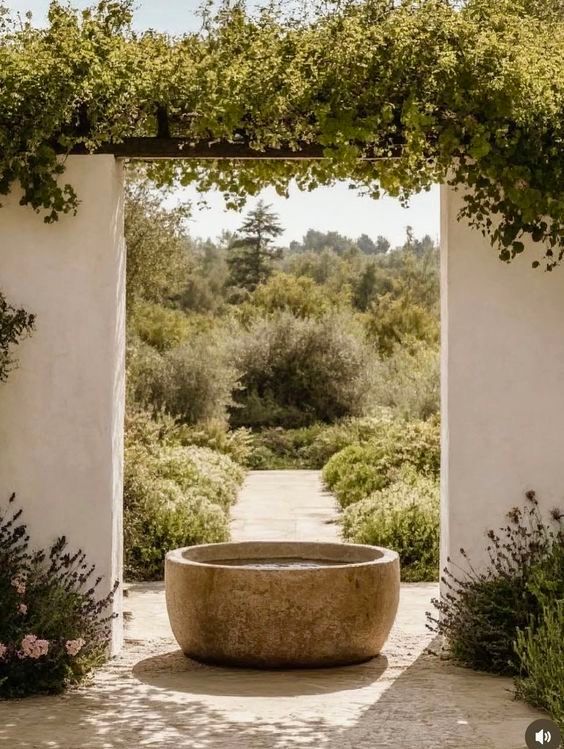
Where This Shift Is Happening
The places attracting long-term capital today share clear characteristics: low density, environmental protection, cultural continuity, and strong regulation.
Preservation First. Regeneration With Care.
In the most resilient markets, preservation comes first. Regeneration follows only where it adds something real — restoring land, improving buildings, adapting for modern life without erasing identity.
The best investments don’t feel over-designed. They feel inevitable.
An Intergenerational View of Value
The next generation of wealth is not trying to own more. They are choosing fewer places — and choosing them carefully.
Places that will still feel good to live in. Land that will still be protected. Decisions that will still feel right to pass on.
In a changing world, real estate investment that supports health, protects land, and preserves long-term value is becoming one of the most resilient forms of capital.