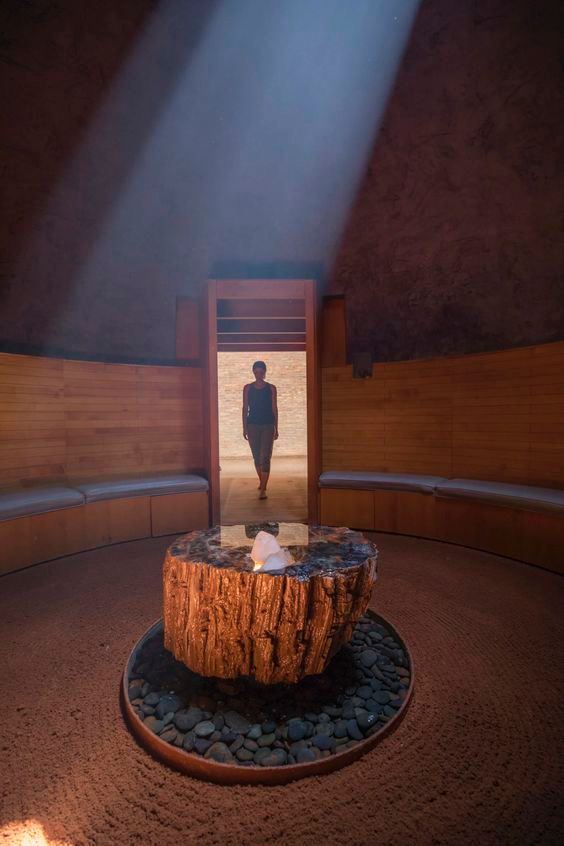
An Architect’s Guide to Wellbeing
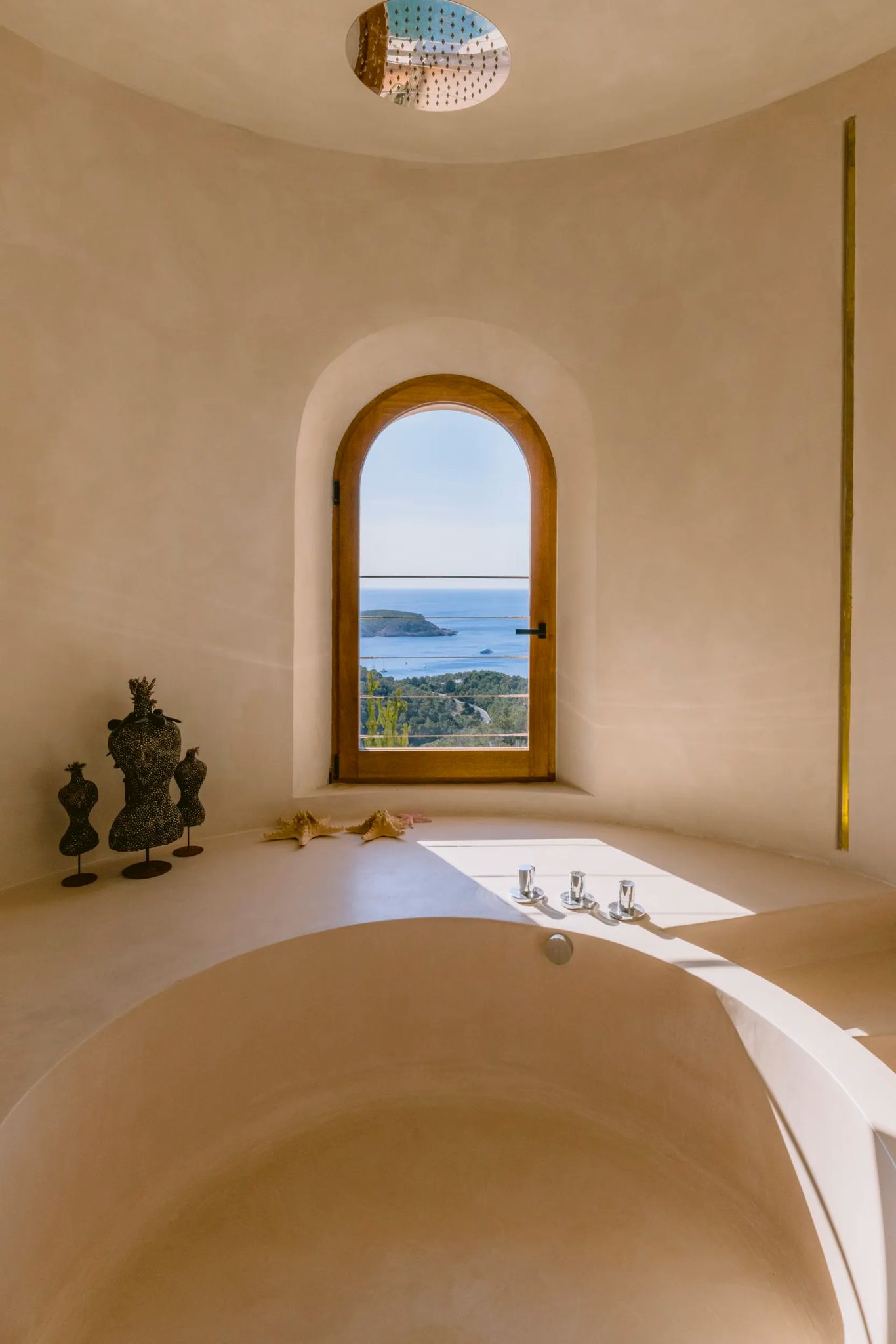
A healthy home is intentionally designed to support human biology, emotional balance, and long-term wellbeing. These ten principles shape how we sleep, think, breathe, and feel inside our homes.

1. Natural Light First
Healthy homes prioritize sunrise exposure, low-blue evening lighting, and windows that allow healing red and near-infrared wavelengths. Light is the foundation of biological health.
2. Clean Air
Air quality influences mood, cognition, immunity, and sleep. Healthy homes use purified, oxygen-rich, low-toxin air supported by natural materials and thoughtful ventilation.
3. Purified Water
Filtered, remineralized water improves digestion, metabolism, skin health, and long-term vitality.
4. Natural, Non-Toxic Materials
Stone, wood, clay, linen, and wool regulate humidity, soothe the senses, and reduce chemical exposure.
5. Biophilic Integration
Nature reduces stress within minutes. Healthy homes use organic shapes, natural textures, greenery, airflow, and sensory grounding.
6. Spatial Flow
Intuitive, uncluttered circulation reduces stress and enhances mental clarity. Room placement follows sunlight and emotional purpose.
7. Acoustic Health
Noise affects the nervous system. Healthy homes use silence zones, soft acoustics, and calming soundscapes.
8. Electro-Clean Living
Reducing EMF exposure supports hormonal balance, sleep quality, and overall wellbeing. Bedrooms become digital-free sanctuaries.
9. Ritual-Friendly
Spaces Spaces for reading, meditation, stretching, and reflection make wellness effortless and integrated into daily life.
10. Emotional Atmosphere
A healthy home feels warm, grounded, safe, and cohesive. Emotional wellness is a key part of architectural design.
The FAEH Approach
FAEH integrates longevity science, biophilic architecture, light intelligence, natural materials, and emotional design into every project—creating homes that support the human body and elevate life.