Today, a quieter shift is taking place — one that is redefining how we understand the spaces we live in.
The question is no longer only where we live.
It is how a place makes us feel. At FAEH, we see this shift clearly. Homes are no longer just assets or investments — they are becoming environments that directly influence our health, our state of mind, and our quality of life.
A New Definition of Luxury
For decades, luxury in real estate meant height, scale, and visibility. Penthouses, large developments, and city skylines defined success.
But priorities are changing.
Clean air
Natural light
Quiet surroundings
Connection to nature
Space to slow down
It is found in homes that feel grounding rather than overwhelming.
Across regions like Ibiza and the Swiss Alps, this new definition is already visible. People are choosing environments that support long-term well-being over short-term status
The Rise of Regenerative Living
We are entering an era of what can be described as regenerative real estate.
Homes are no longer passive structures — they are active environments.
Support better sleep
Improve air quality
Reduce stress
Enhance focus and clarity
This is not about trends.
It is about a deeper understanding of how environments shape human biology. At FAEH, this philosophy is at the core of how we select and design spaces.
Materials Matter
One of the most overlooked aspects of modern living is the impact of materials.
Natural elements such as stone, clay, wood, and linen do more than define aesthetics — they influence how a space feels and how the body responds to it.
Wood brings warmth and grounding. Stone connects spaces to the earth. Linen softens light and creates calm.
Reducing synthetic materials and minimizing toxins is no longer just a design choice — it is part of creating healthier living environments.
Light, Air, and Rhythm
The most powerful elements in a home are often the simplest.
Natural light regulates circadian rhythm
Fresh air improves cognitive function
Silence and sound influence the nervous system
Homes designed with these elements in mind feel fundamentally different. They are not just seen — they are experienced.
A Return to Nature
This shift is also reflected in where people choose to live.
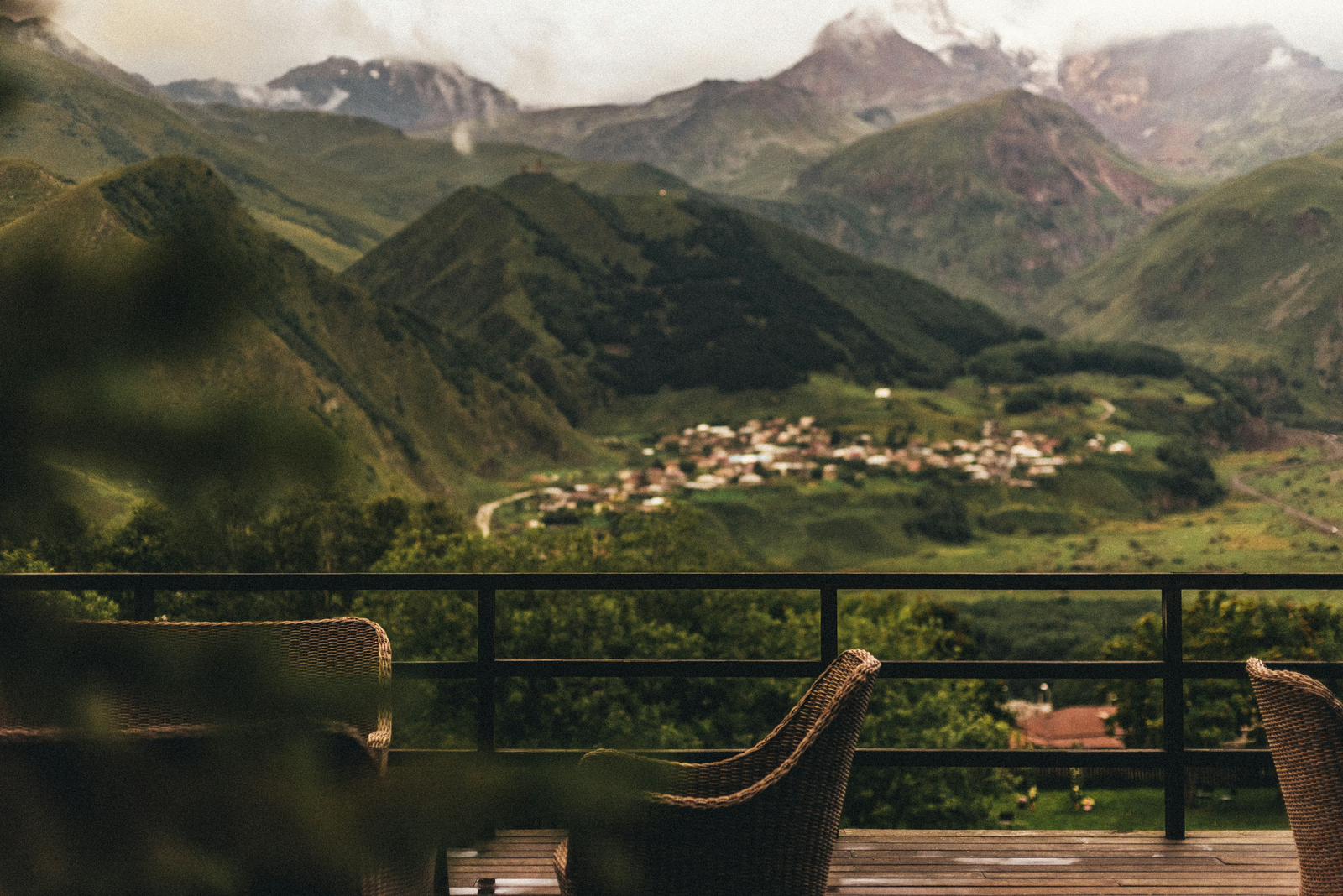
From coastal landscapes to mountain regions, there is a clear movement toward environments that offer stability, safety, natural beauty, and balanced climates.
Locations that were once considered secondary are becoming primary — not because they are remote, but because they offer something essential that cities often lack.
Beyond Property — A Way of Living
At FAEH, we believe real estate is evolving into something more meaningful.
It is no longer just about owning space. It is about creating environments that support longevity, encourage connection, and improve everyday life.
This is the foundation of everything we do — from curated villas to design concepts and future developments.
The Future Is Already Here
The future of living is not something distant. It is already visible in the choices people are making today.
Homes that heal. Spaces that restore. Design that supports life not just lifestyle. This is the direction real estate is moving toward. And this is the world FAEH is building.
Where the Next Generation of Wealth Is Quietly Investing
Why the healthiest places on earth are becoming the most valuable
Read